Luck versus skill which truly drives success in gambling
Luck versus skill which truly drives success in gambling
The Role of Luck in Gambling
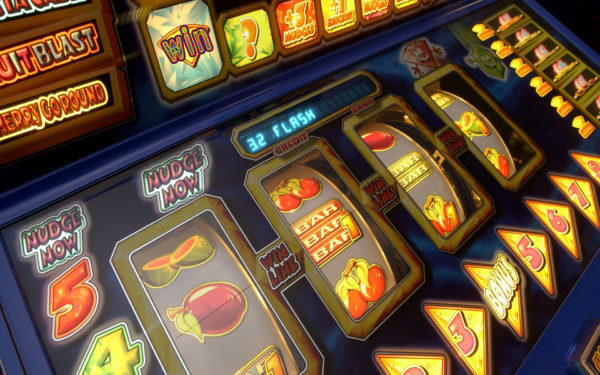
Luck is often the first factor that comes to mind when discussing gambling. Many people believe that gambling is primarily about chance, where outcomes are determined by random events. This perspective is especially prevalent in games like slots and roulette, where players have little control over the results. The thrill of betting everything on a spin or flip is intrinsically tied to the randomness of the outcome, creating an exhilarating experience that many seek in gambling. Some might even turn to daytonaspincasino.co for an additional thrill as they chase their fortunes.

When people discuss luck, they often refer to the concept of “hot streaks” or the ability of players to hit a lucky break. This idea can lead to the misconception that consistent winning is merely a matter of being fortunate. However, the psychological aspect of luck can greatly influence a player’s behavior. For instance, when a player wins, they may feel invincible, leading them to take more significant risks, all in the name of that elusive lucky feeling.
Moreover, cultural perspectives on luck vary significantly. In some cultures, luck is revered, and rituals are practiced to attract good fortune. Understanding these cultural implications can enhance the gambling experience for many. For example, some players carry lucky charms or perform specific actions before betting, believing these practices will improve their odds. Such behaviors underscore the deep-rooted belief in luck as a driving force in gambling.
The Importance of Skill in Gambling
While luck plays a significant role, skill is undoubtedly a driving factor in many gambling activities. Games like poker and blackjack require players to utilize strategy, psychology, and mathematics. In these cases, players who invest time in understanding the game mechanics and developing their skills often outperform those who rely solely on luck. The strategic decisions made during gameplay can significantly affect outcomes, showcasing the importance of skill in achieving success.
Moreover, skill not only applies to understanding the game’s rules but also involves reading opponents and making calculated bets. For instance, a skilled poker player can decipher their opponents’ behavior and adjust their strategy accordingly, capitalizing on weaknesses. This strategic depth adds a layer of complexity that elevates the importance of skill over mere chance. Players who dedicate themselves to honing their skills often report greater satisfaction from their successes, reinforcing the belief that skill is a vital component of gambling.
The debate between luck and skill can also be illustrated through the concept of bankroll management. Players who skillfully manage their funds can endure the inevitable ups and downs of gambling. This ability allows them to stay in the game longer and capitalize on winning opportunities when they arise. Ultimately, skill can create a more sustainable path to success compared to relying solely on luck, particularly in skill-based games.
The Psychological Factors in Gambling
The psychology of gambling is a fascinating topic, intertwining both luck and skill. Gamblers often experience a phenomenon known as cognitive dissonance, where their beliefs about luck may clash with their actual experiences. For instance, a player who wins a few times may begin to believe that they possess some sort of special luck, leading them to make riskier decisions based on this false perception. This psychology can have long-term implications on their gambling behavior.
Additionally, the concept of “loss aversion” comes into play. Gamblers tend to feel the pain of a loss more acutely than the joy of a win. This emotional response can skew their perception of luck and skill, influencing their future gambling choices. Players might chase losses in hopes of regaining their previous wins, often spiraling into a cycle of increased gambling. Understanding these psychological aspects can help gamblers make more informed decisions and promote responsible gambling practices.
Furthermore, the role of superstition in gambling cannot be overlooked. Many gamblers develop rituals or beliefs that they associate with luck. This could range from wearing specific clothing to following routines before placing bets. While these practices may not enhance actual odds, they can create a psychological comfort that players believe enhances their luck. Thus, the interplay between psychology, luck, and skill is crucial in shaping a gambler’s experience.
Cultural attitudes towards gambling
Cultural attitudes towards gambling vary widely across the globe, significantly impacting how individuals perceive the role of luck and skill. In certain societies, gambling is viewed as a form of entertainment, promoting a casual approach where luck reigns supreme. In such cultures, the thrill of the game is celebrated, often highlighting the sheer randomness and excitement of betting. For many, this cultural acceptance encourages participation, as the focus is on fun rather than skill.
Conversely, in cultures where gambling is considered taboo, players may emphasize skill to justify their actions. Individuals in these societies may engage in games that involve strategy and intellect as a way to mitigate the stigma surrounding gambling. This perspective often leads to a heightened appreciation for skill-based games like poker, where players can argue that their success is based on merit rather than luck.
Moreover, cultural narratives about luck and destiny further influence gambling behaviors. Some cultures may emphasize fate, leading individuals to believe that their success in gambling is predestined. This perspective can make the gambling experience more philosophical, where players attribute wins and losses to a greater cosmic order rather than random chance or personal ability. Understanding these cultural dimensions is essential to grasp how luck and skill play out in the world of gambling.
Exploring the Balance Between Luck and Skill
The interplay of luck and skill in gambling is not an either-or scenario; rather, it is a complex balance that can dictate a player’s experience. In many games, skill can maximize the benefits of luck. For instance, a player with superior knowledge of poker strategy is likely to leverage lucky draws more effectively than an unskilled player. This synergy illustrates how skill can enhance one’s ability to capitalize on fortunate situations, creating a more favorable outcome.
Additionally, the convergence of luck and skill can lead to a more engaging gambling experience. Players often enjoy the unpredictable nature of luck while simultaneously honing their skills. Games that blend both elements, such as poker, allow players to experience the thrill of chance while also applying their strategies. This combination can make gambling more exciting and appealing, drawing in a broader audience.
Ultimately, understanding the balance between luck and skill can promote responsible gambling. Players who recognize that skill can influence their outcomes may approach gambling with a more strategic mindset. This awareness can lead to more prudent decisions, fostering an environment where the exhilarating elements of luck can coexist with the need for skill and strategy in achieving long-term success.
Conclusion and Further Insights
In conclusion, the debate over whether luck or skill drives success in gambling is intricate, encompassing a range of perspectives and insights. While luck undeniably plays a significant role in games of chance, skill cannot be overlooked, particularly in strategy-based games. Understanding the nuances of both elements allows players to navigate the gambling landscape more effectively, leading to a more enriching experience.
As you explore the world of gambling, it’s essential to recognize the interplay of these factors. Developing skills can enhance your gambling prowess, while embracing the unpredictable nature of luck can add excitement. If you seek to dive deeper into the realms of gambling, strategies, and responsible practices, our website provides a wealth of resources and insights to guide you on your journey.